The Silent Surge: Why Fungal Infections Are Becoming One of America's Most Underestimated Health Threats
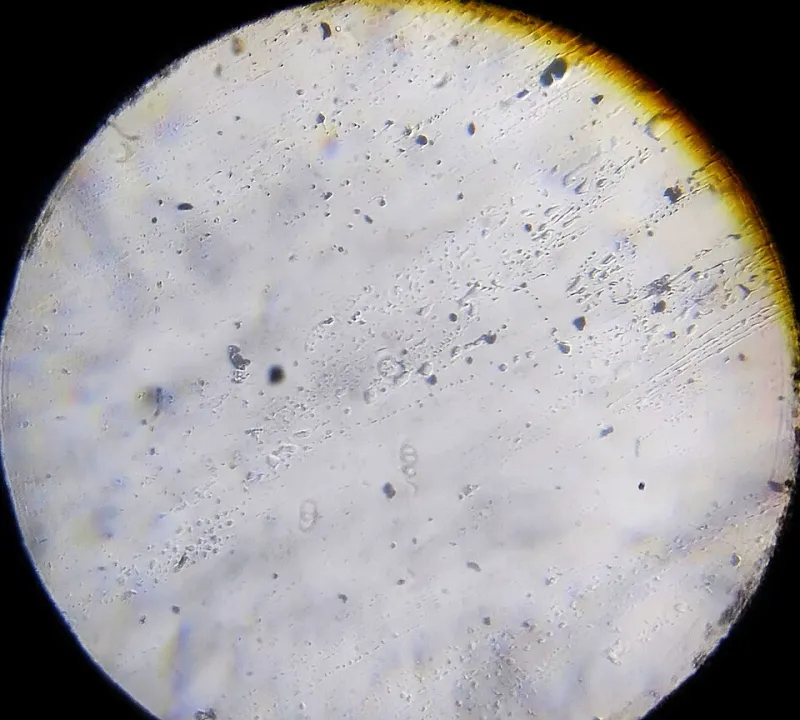
Photo: Knowledge genome, CC BY-SA 4.0, via Wikimedia Commons
Bacteria and viruses dominate the public imagination when it comes to infectious disease—and for understandable reasons. Pandemics, antibiotic resistance, and vaccine-preventable illnesses command enormous attention from researchers, journalists, and policymakers alike. Fungi, by contrast, tend to occupy a quieter corner of the public health conversation. That silence, however, is increasingly at odds with the data.
Over the past decade, fungal infections have been rising across the United States in ways that alarm infectious disease specialists. The Centers for Disease Control and Prevention (CDC) has identified several fungal pathogens as urgent or serious threats, and new research continues to document expanding geographic ranges, growing drug resistance, and rising mortality in vulnerable populations. Understanding this emerging landscape is no longer optional for informed Americans—it is a matter of personal and community health literacy.
Why Fungi Are Different—and Difficult to Treat
Fungi occupy a unique biological space that makes them particularly challenging adversaries. Unlike bacteria, which are prokaryotic organisms, fungi share significant cellular characteristics with human cells. This biological similarity creates a fundamental pharmacological problem: drugs that harm fungi often harm human tissue as well, sharply limiting the arsenal of safe antifungal treatments compared to the broad range of antibiotics available against bacteria.
Fungal infections also tend to progress slowly and insidiously, which delays diagnosis. A bacterial pneumonia may declare itself within days through fever and respiratory distress; a fungal lung infection may smolder for weeks or months before symptoms become severe enough to prompt medical evaluation. By the time many fungal infections are correctly identified, significant organ damage may already have occurred.
There are currently only four major classes of antifungal drugs approved for systemic use in the United States, and resistance to all of them has been documented in various species. This limited pharmacopeia, combined with the diagnostic challenges inherent to fungal disease, creates a compounding vulnerability that public health officials are only beginning to address at scale.
Candida Auris: A Drug-Resistant Pathogen on the Rise
Of all the fungal threats currently tracked by the CDC, Candida auris has drawn the most urgent attention. First identified in 2009 in Japan, this yeast species has since spread to more than 50 countries, with a particularly notable presence in American healthcare facilities. The CDC classifies it as an urgent antimicrobial resistance threat—the highest level of concern in its classification system.
What makes C. auris so alarming is not just its drug resistance profile, though that alone is serious: some strains have demonstrated resistance to all three primary classes of antifungal medications. Equally concerning is its capacity to persist on surfaces and medical equipment for extended periods, making hospital-acquired transmission a significant risk. Patients in intensive care units, long-term care facilities, and those with central venous catheters or recent surgeries face elevated exposure.
The CDC reported a dramatic acceleration in C. auris cases between 2020 and 2022, a period that coincided with pandemic-related strain on healthcare infrastructure. Mortality rates among infected patients in clinical studies have ranged from 30 to 60 percent, though it is worth noting that many of these patients carry serious underlying conditions that independently affect survival. Still, the trajectory of case counts is unambiguous: this pathogen is spreading, and the healthcare system's capacity to contain it remains strained.
Valley Fever: An Expanding Geographic Threat
Coccidioidomycosis—more commonly known as Valley fever—presents a different but equally pressing concern. Caused by the soil-dwelling fungus Coccidioides, it is contracted by inhaling airborne spores disturbed by wind, construction, or agricultural activity. Historically concentrated in the arid regions of the American Southwest, particularly California's Central Valley and parts of Arizona, the disease's endemic zone has been expanding northward and eastward in recent years.
Researchers attribute much of this range expansion to climate change. Rising temperatures and shifting precipitation patterns have created conditions in previously inhospitable regions that now support Coccidioides growth. States including Washington, Oregon, and parts of the Mountain West have reported increasing cases in individuals who have not traveled to traditionally endemic areas—a development that signals the fungus is establishing itself in new territory.
Approximately 40 percent of people who inhale Coccidioides spores develop symptomatic illness, which typically presents as a flu-like syndrome: fatigue, cough, fever, and chest pain. In most healthy individuals, the infection resolves without treatment. However, in roughly 1 percent of cases—and at significantly higher rates in immunocompromised individuals, pregnant women, and people of African or Filipino ancestry—the disease disseminates beyond the lungs to affect the bones, joints, skin, and central nervous system. Disseminated Valley fever can be fatal and requires prolonged antifungal therapy.
Annual case counts in the US have risen substantially over the past two decades, with the CDC estimating that the true burden of Valley fever is likely tenfold higher than reported figures suggest, owing to routine misdiagnosis as bacterial pneumonia or influenza.
Who Is Most Vulnerable?
While fungal infections can affect anyone, certain populations carry substantially elevated risk. Individuals with HIV/AIDS, organ transplant recipients on immunosuppressive therapy, cancer patients undergoing chemotherapy, and those receiving high-dose corticosteroids are all at heightened susceptibility to both common and rare fungal pathogens. Premature infants and elderly residents of long-term care facilities represent additional high-risk groups.
The COVID-19 pandemic introduced a new dimension to this vulnerability profile. COVID-associated pulmonary aspergillosis (CAPA), a serious secondary fungal infection caused by Aspergillus species, emerged as a complication in critically ill COVID-19 patients—particularly those requiring mechanical ventilation. The immunological disruption caused by severe SARS-CoV-2 infection, combined with the widespread use of corticosteroids in COVID treatment protocols, created conditions highly favorable to opportunistic fungal invasion.
What Americans Can Do: Prevention and Awareness
For most healthy adults, the risk of serious fungal infection is relatively low, but awareness remains a valuable protective tool. Several practical steps can meaningfully reduce exposure and improve outcomes.
Know your regional risks. If you live in or travel to the Southwestern United States, familiarize yourself with Valley fever. If you develop a persistent cough, fatigue, or chest pain after time spent outdoors in endemic areas, inform your healthcare provider of your geographic exposure—this single piece of information can prevent months of diagnostic delay.
Protect yourself during high-risk activities. Individuals in areas with known Coccidioides presence should consider wearing N95 respirators during dusty outdoor activities such as gardening, construction work, or off-road recreation. While this does not eliminate risk, it can substantially reduce spore inhalation.
Advocate for testing in healthcare settings. Patients admitted to hospitals or long-term care facilities—particularly those who are immunocompromised—should ask their care teams whether fungal infection screening is appropriate given their risk profile. Early identification of C. auris or Aspergillus infection dramatically improves treatment outcomes.
Understand the limits of self-diagnosis. Fungal infections frequently mimic bacterial or viral illnesses, and self-treatment is not appropriate. If symptoms persist beyond what would be expected for a standard respiratory illness, seek professional evaluation and be specific about your medical history and any potential environmental exposures.
A Public Health Priority Whose Time Has Come
The rise of fungal infections in the United States reflects a convergence of forces: climate-driven geographic expansion, the growth of immunocompromised populations, antibiotic overuse disrupting normal microbial balance, and a decades-long underinvestment in antifungal research and diagnostics. Addressing these threats requires coordinated action across healthcare systems, research institutions, and public health agencies.
For individual Americans, the most powerful first step is simply awareness. Fungi are not exotic, distant threats—they are present in soil, air, and healthcare environments across the country. Recognizing their potential impact, knowing who is most at risk, and understanding when to seek medical evaluation are foundational acts of informed health citizenship. The data are clear: fungal disease is no longer a footnote in the infectious disease story. It is becoming a central chapter.