Contagious Before You Know It: The Biology of Pre-Symptomatic Spread and What It Costs Us
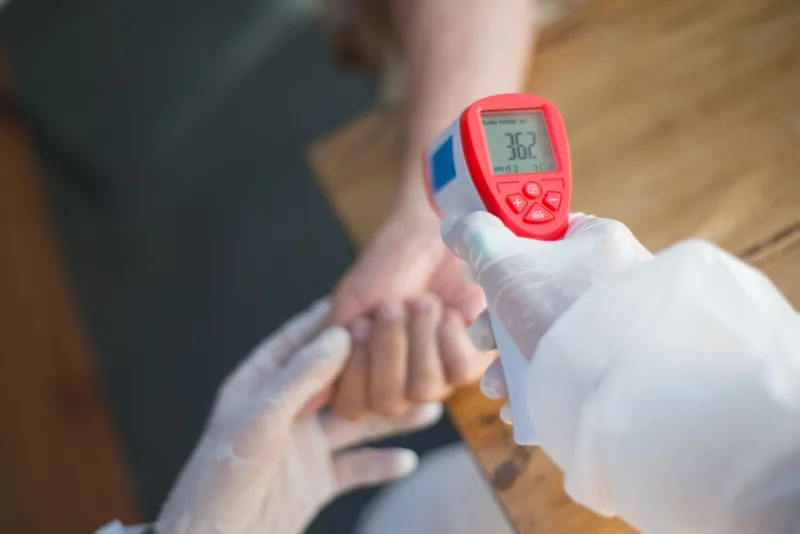
For most Americans, the logic of staying home when sick feels intuitive: if you feel well, you are well enough to participate in the world. You go to work, drop your children at school, ride the subway, shake hands at a meeting. The fever hasn't arrived. The sore throat hasn't announced itself. By every subjective measure, you are fine.
But biology operates on a different schedule than human perception. Long before the immune system mounts a response dramatic enough to produce noticeable symptoms, a pathogen may already be replicating in enormous quantities within the respiratory tract, the gut, or the bloodstream. And in many of the most common infectious diseases circulating in the United States today, that pre-symptomatic phase is precisely when transmission risk is highest.
This is the incubation trap — the dangerous interval during which a person feels reassured by the absence of illness while unknowingly seeding infection in everyone around them.
What the Incubation Period Actually Measures
The term "incubation period" refers to the span of time between initial exposure to a pathogen and the appearance of clinical symptoms. It is a useful epidemiological concept, but it is frequently misunderstood by the general public as a period of dormancy — a waiting room in which nothing consequential is happening.
In reality, the incubation period is often a phase of intense biological activity. Pathogens are replicating, colonizing host tissue, and in many cases reaching the mucosal surfaces most responsible for transmission. The immune system has not yet produced a response strong enough to generate fever, fatigue, or other recognizable signals. The infected individual feels normal. The virus or bacterium, however, is already preparing to move on.
The distinction between incubation and infectivity is critical. These two timelines do not run in parallel. In a number of clinically significant infections, the period of maximum transmissibility overlaps substantially — sometimes entirely — with the period before symptoms emerge.
Influenza: The Classic Pre-Symptomatic Spreader
Influenza remains one of the most instructive examples of pre-symptomatic transmission. Adults infected with seasonal influenza typically become contagious approximately one day before symptom onset, according to data from the Centers for Disease Control and Prevention. Children may shed virus even earlier. Peak viral shedding in the upper respiratory tract often occurs during the first 24 hours of illness — a period that, for many patients, still feels like ordinary fatigue or mild throat irritation rather than a recognizable flu.
This means that the colleague who came to the office on a Monday feeling slightly off, dismissed it as allergies, and was home sick by Tuesday afternoon almost certainly exposed others during Monday's meetings. The symptom-based behavioral response — staying home once you feel sick — arrives too late to prevent the most consequential transmission events.
American workplaces, where paid sick leave remains inconsistent and cultural pressure to "push through" illness is pronounced, compound this biological reality into a structural public health problem.
COVID-19 and the Epidemic of False Reassurance
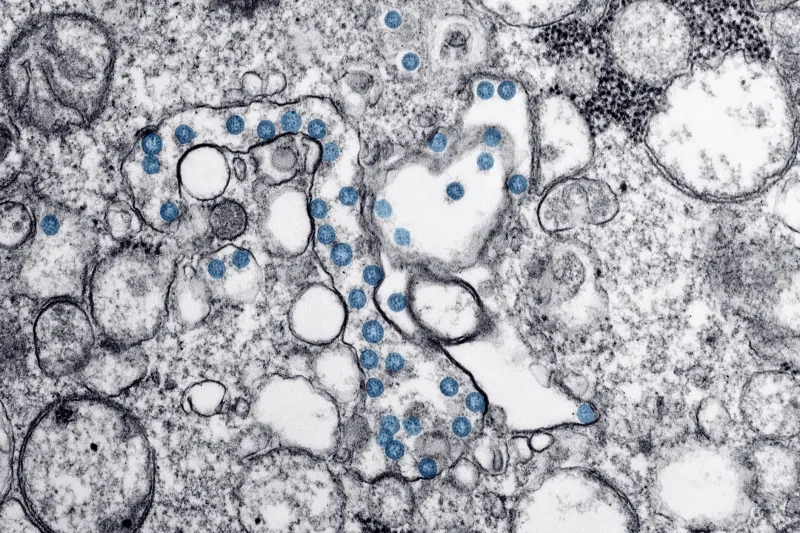
No infection in recent American history has illustrated the incubation trap more vividly than SARS-CoV-2. Early in the pandemic, epidemiological modeling and real-world contact tracing revealed that a substantial proportion of transmission — some estimates placed it between 40 and 60 percent — occurred before the source individual developed any symptoms at all.
The virus's incubation period averages between four and six days, but infected individuals can begin shedding detectable viral loads within two to three days of exposure. This gap created a public health communication challenge of considerable magnitude. Guidance anchored to symptomatic status was, by design, insufficient to interrupt chains of transmission.
The emergence of rapid antigen testing offered a partial solution — a way to assess infectivity status independent of symptom perception. But uptake was uneven, and the cultural habit of equating feeling healthy with being safe proved remarkably resistant to revision. Even now, years into widespread public familiarity with COVID-19, many Americans continue to make exposure decisions based primarily on how they feel rather than on any objective measure of viral status.
Strep Throat and the Pediatric Transmission Cycle
Group A Streptococcus, the bacterium responsible for strep throat, presents a somewhat different but equally instructive dynamic. Children are the primary reservoir and transmission vector for strep in American communities, and school-based spread is well-documented. What is less commonly appreciated is that children can carry and shed the bacterium with minimal or no symptoms for extended periods.
A child with a mild scratchy throat and low-grade fatigue — symptoms easily attributed to seasonal dryness or a minor cold — may be shedding sufficient bacterial loads to infect classmates, siblings, and caregivers. The symptomatic threshold at which parents typically act, keeping a child home or seeking medical attention, frequently arrives after the most active transmission window has already passed.
The American Academy of Pediatrics recommends throat culture or rapid antigen testing for suspected strep rather than clinical diagnosis alone, precisely because symptom severity is an unreliable guide to both diagnosis and infectivity. Yet practical constraints — access to same-day care, cost, parental work schedules — mean that testing often lags behind the transmission curve.
Why Symptom-Based Guidance Falls Short
The persistence of symptom-based public health messaging in the United States is not irrational. Symptoms remain meaningful clinical signals, and behavioral recommendations must be practical enough for ordinary people to follow. Asking every American to test before every social interaction is neither logistically feasible nor economically realistic under current healthcare infrastructure.
Nevertheless, the limitations of symptom-based frameworks deserve more explicit acknowledgment in public health communication. When official guidance emphasizes "stay home if you feel sick," it implies — without quite stating — that feeling well is a reasonable proxy for being non-contagious. For a meaningful subset of infectious diseases, this implication is simply false.
More nuanced messaging would distinguish between different phases of illness, acknowledge the pre-symptomatic transmission window explicitly, and provide clearer guidance on when testing adds value beyond self-assessment. It would also address the social and economic conditions that make pre-symptomatic spread more likely: workplaces that penalize sick days, schools with poor ventilation, and healthcare systems that make rapid testing inconvenient or expensive.
Rethinking the Threshold for Action
The incubation trap is not merely a biological curiosity. It is a structural feature of how infectious diseases move through populations, and it exposes a significant gap between how Americans understand personal health and how pathogens actually behave.
Reducing pre-symptomatic transmission requires more than individual awareness. It requires healthcare systems that make rapid diagnostics accessible, workplaces that normalize precautionary absence, and public health communication that is honest about the limits of symptom monitoring as an infection control strategy.
Feeling fine is not the same as being safe to others. That distinction, uncomfortable as it may be, is one of the more important lessons that the biology of infectious disease has to offer — and one that American public health policy has yet to fully absorb.