A Worry Budget: Ranking the Microbes That Deserve Your Attention
The Economics of Fear
Public attention to infectious disease behaves like a market: it overprices the dramatic and underprices the mundane. A rare brain-eating amoeba generates national coverage; norovirus, which sickens roughly 20 million Americans every year, barely registers. From a public health standpoint, this misallocation has consequences. People who fear the wrong germs take the wrong precautions.
What follows is a pragmatic ranking — five organisms that merit genuine concern, and five that consume worry better spent elsewhere. The criteria are simple: documented US disease burden, realistic routes of exposure, and the availability of effective prevention.
The Five That Earn Their Reputation
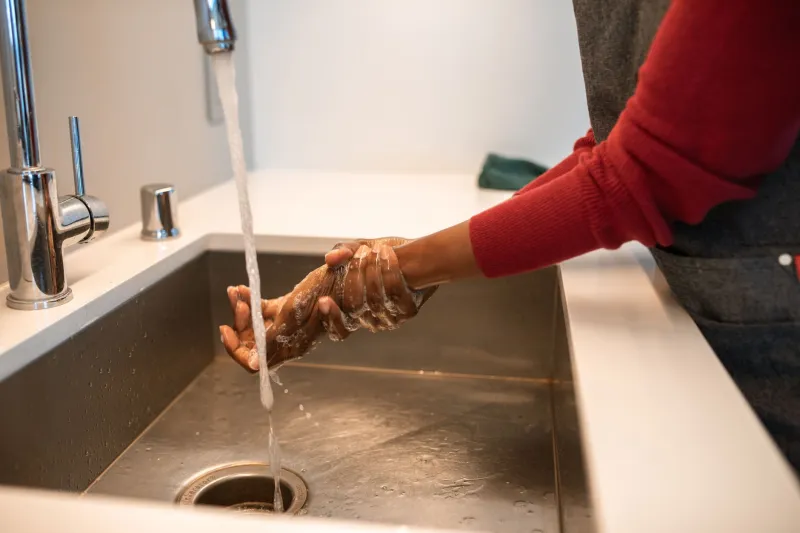
1. Norovirus. The leading cause of foodborne illness outbreaks in the United States thrives in semi-closed settings — cruise ships, nursing homes, school cafeterias — where a single infected food handler can sicken hundreds. It requires as few as 18 viral particles to cause infection, survives on surfaces for weeks, and, like C. diff, is impervious to alcohol sanitizer. Soap, water, and keeping sick individuals out of kitchens for 48 hours after symptoms resolve are the only reliable defenses.
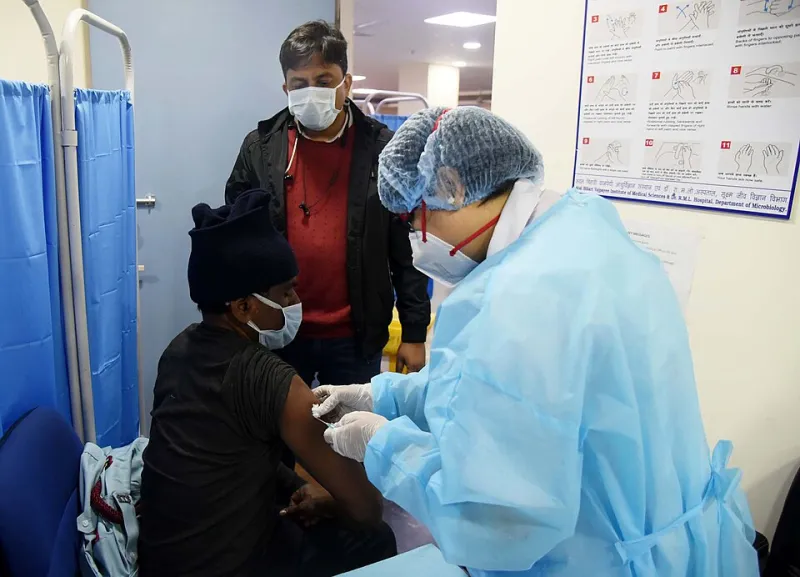
2. Influenza. Familiarity breeds contempt, but seasonal flu still kills tens of thousands of Americans in severe years and hospitalizes hundreds of thousands more. Annual vaccination, while imperfect, remains the highest-yield preventive measure available.
3. Foodborne Salmonella and Campylobacter. These bacteria are embedded in the American food supply, contaminating roughly one in four retail chicken products. They cause an estimated two million domestic infections annually, and the prevention is almost entirely behavioral: cross-contamination control and proper cooking temperatures in home kitchens.
4. Respiratory syncytial virus (RSV). Long treated as a routine childhood ailment, RSV is now understood as a major killer of adults over 65 and infants — a recognition that finally produced vaccines and preventive antibodies. It belongs on the worry list precisely because it was ignored for so long.
5. Tick-borne pathogens. Lyme disease alone accounts for close to half a million estimated US cases per year, and its geographic footprint keeps expanding. Personal tick checks after outdoor activity are low-effort, high-return.
The Five That Do Not
1. Your phone screen. Phones carry bacteria — often a lot of them. But nearly all are ordinary skin commensals with no demonstrated route to meaningful infection for healthy people. Wipe it if you like; it is not the threat the germ-o-phobic corner of the internet suggests.
2. Toilet seats. Skin-to-skin contact is required for most sexually and dermatologically transmitted organisms; a dry porcelain surface transmits remarkably little. Public restrooms are, counterintuitively, among the lower-risk microbial environments people encounter daily.
3. Door handles and shopping carts. The fomite-transmission panic of recent years vastly overshot the evidence. Respiratory viruses spread overwhelmingly through inhaled aerosols, not surfaces. Wiping a cart is harmless, but it should not be mistaken for protection.
4. Double-dipping and shared snacks. The bacterial transfer involved is real but trivial in volume, and the organisms transferred are ones your immune system already manages routinely.
5. Coin and currency. Money is dirty in the way everything handled by thousands of people is dirty. No meaningful disease burden has ever been documented from handling cash in the US.
Redirecting the Effort
The pattern in the rankings is instructive: the germs that matter most are transmitted through food, water, air, and vectors — not through casual surface contact. Yet Americans devote disproportionate hygiene energy to surfaces precisely because surface-wiping is visible, controllable, and commercially encouraged.
A rational worry budget looks different. It prioritizes vaccination on schedule, handwashing with actual soap, safe food handling, and tick checks — the interventions with epidemiological receipts. Everything else is, at best, theater.
Fear of infection is not irrational; it is an evolved and often useful instinct. But like any instinct, it performs best when informed by evidence. Spend the worry where the data says it belongs.