When Antibiotics Fail: Inside the Resistance Emergency Reshaping American Medicine
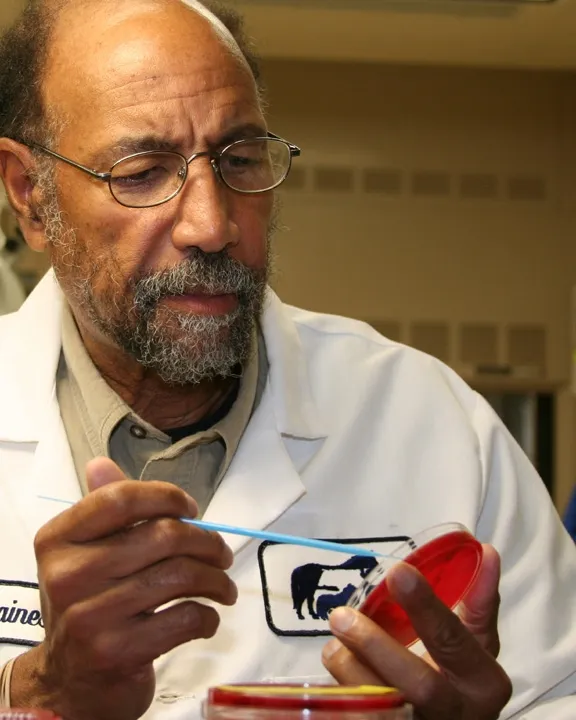
Photo: The U.S. Food and Drug Administration, Public domain, via Wikimedia Commons
A Threat That Arrived Ahead of Schedule
For decades, antibiotic resistance occupied a peculiar space in public health discourse: universally acknowledged as serious, perpetually framed as something to worry about later. That deferral is no longer defensible. The Centers for Disease Control and Prevention estimates that more than 2.8 million antibiotic-resistant infections occur in the United States each year, resulting in approximately 35,000 deaths. These are not projections. They are current figures, collected from real patients in real American hospitals.
The pathogens responsible are not exotic imports. Many are organisms that have lived alongside humans for generations—Escherichia coli, Klebsiella pneumoniae, Staphylococcus aureus—that have, through relentless evolutionary pressure, acquired the ability to neutralize the very drugs designed to eliminate them. The question confronting clinicians, policymakers, and patients alike is no longer whether resistance will become a crisis. It already is one.
What Resistance Actually Means at the Molecular Level
To appreciate the gravity of this situation, it helps to understand resistance not as a vague biological inconvenience but as a precise molecular phenomenon. Antibiotics work by targeting specific structures or processes essential to bacterial survival—cell wall synthesis, protein production, DNA replication. Resistance emerges when bacteria develop mechanisms that defeat these attacks.
These mechanisms take several forms. Some bacteria produce enzymes that physically dismantle antibiotic molecules before they can act. Beta-lactamases, for instance, break apart the core chemical structure of penicillins and cephalosporins. Extended-spectrum beta-lactamases (ESBLs) do the same to a broader range of drugs. Others pump antibiotics out of the cell through efflux pumps, essentially ejecting the threat before it can bind to its target. Still others modify the target site itself, rendering the antibiotic structurally incompatible.
What makes this especially concerning is the mobility of resistance genes. Bacteria can transfer resistance traits to one another through a process called horizontal gene transfer—sharing genetic material across species and even genera. A resistance gene that emerges in a livestock operation in Iowa can, through a chain of microbial exchanges, appear in a urinary tract infection in a Chicago emergency room. The bacterial world does not respect the boundaries humans draw around it.
The Last-Resort Problem: Carbapenem-Resistant Enterobacteriaceae
Among the most alarming developments in recent years is the rise of carbapenem-resistant Enterobacteriaceae, or CRE. Carbapenems represent one of the broadest-spectrum antibiotic classes in clinical medicine—drugs reserved for infections that have already defeated multiple other treatments. When bacteria develop resistance to carbapenems, clinicians are often left with options that are either highly toxic, minimally effective, or both.
CRE infections carry mortality rates that can exceed 40 to 50 percent in bloodstream cases. The CDC has classified CRE as an urgent threat, its highest designation. These organisms have been identified in healthcare facilities across all 50 states, and while they remain more common in hospital settings, community-acquired cases are increasing.
The pipeline of new antibiotics to replace carbapenems is thin. Drug development for antibiotics has long been commercially unattractive—a successful antibiotic is used sparingly and briefly, generating limited revenue compared with drugs taken daily for chronic conditions. This market failure has left medicine increasingly dependent on an aging pharmacological arsenal against an adversary that evolves continuously.
Agricultural Overuse and the Farm-to-Clinic Pipeline
No honest accounting of antibiotic resistance in the United States can omit agriculture. Approximately 65 percent of medically important antibiotics sold in the US are distributed to food-producing animals, according to FDA data. For much of the past half-century, these drugs were administered not primarily to treat sick animals but to promote growth and prevent disease in densely housed livestock populations.
The 2017 Veterinary Feed Directive represented a meaningful regulatory step, requiring veterinary oversight for the use of medically important antibiotics in food animals. However, total antibiotic sales to livestock have not declined as sharply as public health advocates had hoped, and enforcement remains inconsistent across states.
Resistant bacteria from agricultural environments enter human populations through multiple pathways: direct contact with animals or farm workers, contamination of meat and produce, runoff into water supplies, and spread through the environment via manure application to fields. Studies have documented resistant organisms on retail meat, in rural groundwater, and in communities neighboring large-scale livestock operations. The farm-to-clinic pipeline for resistance is not hypothetical—it is documented and ongoing.
Prescribing Practices and the Demand Side of Resistance
Agriculture is not the only driver. Inappropriate antibiotic prescribing in human medicine contributes substantially to resistance. The CDC estimates that at least 28 percent of antibiotic prescriptions in outpatient settings are unnecessary—written for viral illnesses such as colds, flu, and most sore throats, against which antibiotics have no effect whatsoever.
This prescribing pattern reflects a complex interplay of patient expectations, time-pressured clinical encounters, diagnostic uncertainty, and institutional incentives. Patients who present expecting an antibiotic and leave without one are sometimes dissatisfied, which can affect provider ratings in systems that tie compensation to patient satisfaction scores. The result is a quiet but consequential form of medical overprescription that accelerates resistance at the population level.
Antibiotic stewardship programs—structured institutional efforts to optimize antibiotic use—have demonstrated meaningful results in reducing unnecessary prescribing and resistance rates in hospital settings. The CDC's National Action Plan for Combating Antibiotic-Resistant Bacteria has expanded support for such programs, but implementation remains uneven, particularly in smaller community hospitals and outpatient practices.
What Individuals and Institutions Can Do Now
The resistance crisis is not beyond influence. Individual behavior, while insufficient alone, matters at the aggregate level. Patients can decline antibiotics for viral illnesses, complete prescribed courses in full, and avoid using leftover antibiotics for new symptoms. These behaviors, multiplied across millions of Americans, reduce the selective pressure that drives resistance.
Healthcare institutions have broader leverage. Robust diagnostic capacity—including rapid point-of-care testing that distinguishes bacterial from viral infections—allows clinicians to make prescribing decisions based on evidence rather than clinical intuition. Electronic health record systems can flag inappropriate prescriptions and prompt stewardship review. Infection control protocols that limit the spread of resistant organisms within facilities remain foundational.
At the policy level, sustained federal investment in antibiotic development incentives, stronger agricultural oversight, and international coordination on resistance surveillance are all necessary components of a comprehensive response. Resistance does not recognize national borders, and pathogens carrying genes that defeat US antibiotics circulate globally.
The era of assuming that a new antibiotic will arrive to solve whatever resistance problem emerges is over. What remains is the harder work of protecting the drugs already available—and building the systems, at every level of American society, that make that protection possible.